Mkomazi National Park - Africa Natural Tours ( africanaturaltours.com )
Mkomazi
National Park: Africa Natural
Tours (For Kilimanjaro, Serengeti and Zanzibar) Tanzania safari company in
Moshi
Specialized
in: Wildlife safaris, Mountain climbing,
Cultural tourism and Beach holidays in East Africa
Contact
+255 653 679 958
Email: info@africanaturaltours.com
Website: www.africanaturaltours.com

Mkomazi National Park
Established: 1951
Within view of the snow-capped peaks
of Kilimanjaro the Mkomazi National Park is a sanctuary for the endangered
black rhinoceros and the African wild dog. Mkomazi is also a worthwhile
destination for avid birders featuring more than 450 resident and migratory
species. Situated in the northeast of Tanzania on the Kenyan border the park
provides a link between the Northern Safari Cycle and the tropical coastline.
Mkomazi is a land of semi-arid
savannah set below the Usambara and Pare Eastern Arc Mountains. In the north
the park borders Tsavo West National Park.
Wildlife
The park’s major draw is the wild
dogs that roam the full extension of the park and the black rhinoceros, which
stay in a fenced section to guarantee the safety of these endangered animals.
Both species were reintroduced in the 1990s. Giraffe, eland, hartebeest, zebra,
elephant and buffalo populate the savannah of Mkomazi. Less common to Tanzania
is the Oryx with its ornate markings and the lesser kudu with its stately
horns.
Birders will get more than their
money’s worth as Mkomazi National Park is home to more than 450 species.
Ostrich, kori bustard, secretary bird and ground hornbill are spotted among the
grass, while colorful migrant species like the Eurasian roller populate the
trees.
Activities
June to September is the best months
for game drives in Mkomazi. Hikes in the surrounding mountains guarantee
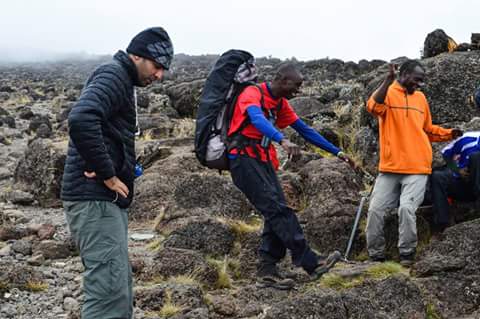
spectacular views and the more intrepid visitors can join a walking safari
through big game territory. Birding safaris are particularly rewarding and the
Mkomazi Rhino Sanctuary offers great introductions to nature conservation and
one of the world’s most endangered species.

For
more information visit www.africanaturaltours.com

Comments
Post a Comment